Overview of CFR-25JB-52-11R Analog and Digital Output Technologies
The CFR-25JB-52-11R is a device that likely incorporates both analog and digital output capabilities, making it versatile for various applications. Below is an overview of the core functional technologies associated with analog and digital outputs, along with relevant application development cases.
Core Functional Technologies
1. Analog Output
- **Continuous Signal Representation:** Analog outputs provide a continuous range of values, typically in the form of voltage (e.g., 0-10V) or current (e.g., 4-20mA). This is essential for applications requiring fine control and monitoring.
- **Signal Conditioning:** To ensure accuracy and reliability, analog signals often undergo conditioning processes, including filtering, amplification, and conversion to eliminate noise and enhance signal quality.
- **Transducers:** These devices convert physical phenomena (temperature, pressure, flow) into analog signals, enabling real-time monitoring and control in various applications.
2. Digital Output
- **Binary Signal Representation:** Digital outputs convey information in binary form (0s and 1s), which is ideal for applications that require discrete control, such as switching devices on and off or sending commands.
- **Communication Protocols:** Digital outputs often utilize protocols like I2C, SPI, or UART, facilitating data exchange between devices and enabling complex control systems.
- **Microcontrollers and PLCs:** These components manage digital outputs, allowing for sophisticated automation processes and control strategies.
Application Development Cases
1. Industrial Automation
- **Process Control:** In manufacturing environments, analog outputs can regulate variables such as temperature and pressure, while digital outputs control actuators and relays, ensuring efficient operation.
- **Data Acquisition Systems:** These systems collect data from various sensors, employing both analog outputs for continuous monitoring and digital outputs for status updates and alerts.
2. Environmental Monitoring
- **Sensor Networks:** Analog sensors (e.g., for temperature and humidity) provide continuous data streams, while digital outputs can relay alerts or status updates to a central monitoring system.
- **Remote Sensing:** Digital outputs transmit data from remote sensors to a central server, enabling real-time analysis and decision-making.
3. Automotive Applications
- **Engine Control Units (ECUs):** ECUs utilize analog outputs to manage engine parameters (e.g., fuel injection) and digital outputs for communication with other vehicle systems, enhancing performance and safety.
- **Dashboard Displays:** Digital outputs drive displays that present real-time data to drivers, while analog outputs control traditional gauges, providing a comprehensive view of vehicle status.
4. Consumer Electronics
- **Audio Equipment:** High-fidelity audio devices rely on analog outputs for sound quality, while digital outputs manage data transmission between devices (e.g., Bluetooth connectivity).
- **Smart Home Devices:** Many smart devices combine analog and digital outputs to control lighting, heating, and security systems, enhancing user experience and automation.
5. Medical Devices
- **Patient Monitoring Systems:** These systems use analog outputs to provide continuous readings of vital signs (e.g., heart rate, blood pressure), while digital outputs alert healthcare providers to critical changes in patient status.
- **Diagnostic Equipment:** Devices that analyze biological samples often employ analog outputs for measurement and digital outputs for data processing and communication, facilitating accurate diagnostics.
Conclusion
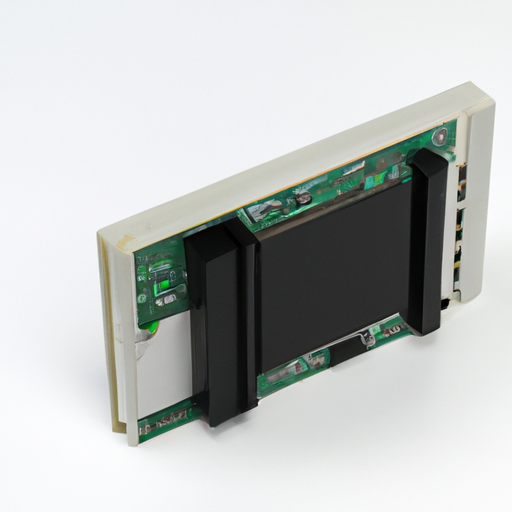
The integration of analog and digital outputs in devices like the CFR-25JB-52-11R enables a wide range of applications across various industries. Understanding the core technologies and their applications is crucial for developing effective solutions that leverage the strengths of both output types. For specific articles and case studies, industry journals, technical papers, and manufacturer documentation are valuable resources to explore further. This knowledge can guide engineers and developers in optimizing their designs and applications for improved performance and reliability.
Overview of CFR-25JB-52-11R Analog and Digital Output Technologies
The CFR-25JB-52-11R is a device that likely incorporates both analog and digital output capabilities, making it versatile for various applications. Below is an overview of the core functional technologies associated with analog and digital outputs, along with relevant application development cases.
Core Functional Technologies
1. Analog Output
- **Continuous Signal Representation:** Analog outputs provide a continuous range of values, typically in the form of voltage (e.g., 0-10V) or current (e.g., 4-20mA). This is essential for applications requiring fine control and monitoring.
- **Signal Conditioning:** To ensure accuracy and reliability, analog signals often undergo conditioning processes, including filtering, amplification, and conversion to eliminate noise and enhance signal quality.
- **Transducers:** These devices convert physical phenomena (temperature, pressure, flow) into analog signals, enabling real-time monitoring and control in various applications.
2. Digital Output
- **Binary Signal Representation:** Digital outputs convey information in binary form (0s and 1s), which is ideal for applications that require discrete control, such as switching devices on and off or sending commands.
- **Communication Protocols:** Digital outputs often utilize protocols like I2C, SPI, or UART, facilitating data exchange between devices and enabling complex control systems.
- **Microcontrollers and PLCs:** These components manage digital outputs, allowing for sophisticated automation processes and control strategies.
Application Development Cases
1. Industrial Automation
- **Process Control:** In manufacturing environments, analog outputs can regulate variables such as temperature and pressure, while digital outputs control actuators and relays, ensuring efficient operation.
- **Data Acquisition Systems:** These systems collect data from various sensors, employing both analog outputs for continuous monitoring and digital outputs for status updates and alerts.
2. Environmental Monitoring
- **Sensor Networks:** Analog sensors (e.g., for temperature and humidity) provide continuous data streams, while digital outputs can relay alerts or status updates to a central monitoring system.
- **Remote Sensing:** Digital outputs transmit data from remote sensors to a central server, enabling real-time analysis and decision-making.
3. Automotive Applications
- **Engine Control Units (ECUs):** ECUs utilize analog outputs to manage engine parameters (e.g., fuel injection) and digital outputs for communication with other vehicle systems, enhancing performance and safety.
- **Dashboard Displays:** Digital outputs drive displays that present real-time data to drivers, while analog outputs control traditional gauges, providing a comprehensive view of vehicle status.
4. Consumer Electronics
- **Audio Equipment:** High-fidelity audio devices rely on analog outputs for sound quality, while digital outputs manage data transmission between devices (e.g., Bluetooth connectivity).
- **Smart Home Devices:** Many smart devices combine analog and digital outputs to control lighting, heating, and security systems, enhancing user experience and automation.
5. Medical Devices
- **Patient Monitoring Systems:** These systems use analog outputs to provide continuous readings of vital signs (e.g., heart rate, blood pressure), while digital outputs alert healthcare providers to critical changes in patient status.
- **Diagnostic Equipment:** Devices that analyze biological samples often employ analog outputs for measurement and digital outputs for data processing and communication, facilitating accurate diagnostics.
Conclusion
The integration of analog and digital outputs in devices like the CFR-25JB-52-11R enables a wide range of applications across various industries. Understanding the core technologies and their applications is crucial for developing effective solutions that leverage the strengths of both output types. For specific articles and case studies, industry journals, technical papers, and manufacturer documentation are valuable resources to explore further. This knowledge can guide engineers and developers in optimizing their designs and applications for improved performance and reliability.